Faith Actors Convene to Forge a Network for Gender Justice, Drawn From Bible and Quran.
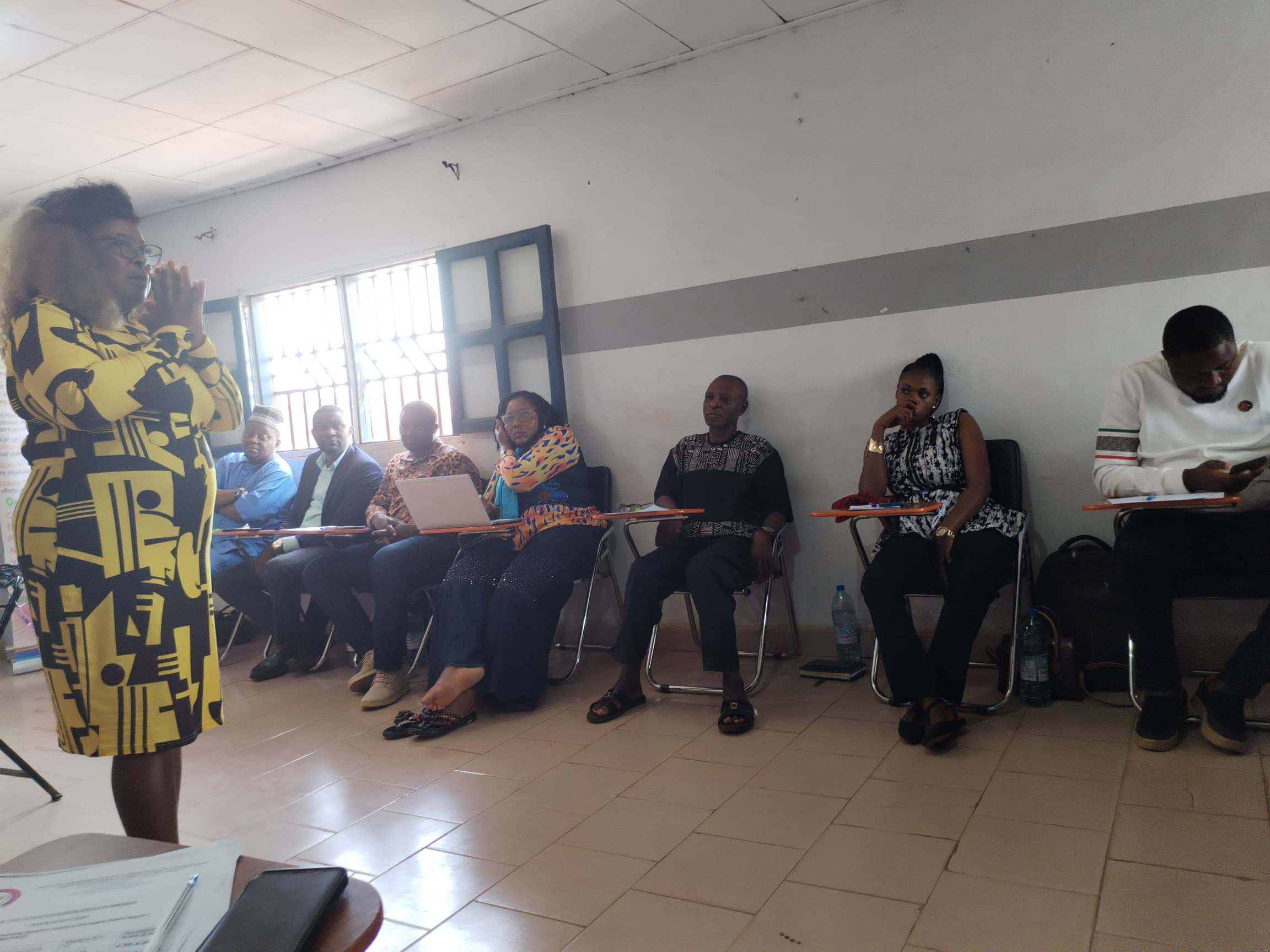
Religious leaders and faith based actors from across Cameroon have convened in a strategic gathering aimed at strengthening collaboration to promote gender justice within faith communities. The meeting focused on how churches, mosques, and faith-led platforms can mobilize moral authority, scriptural teachings, and community influence to challenge Gender Based Violence and discrimination especially sexual violence against women and girls.
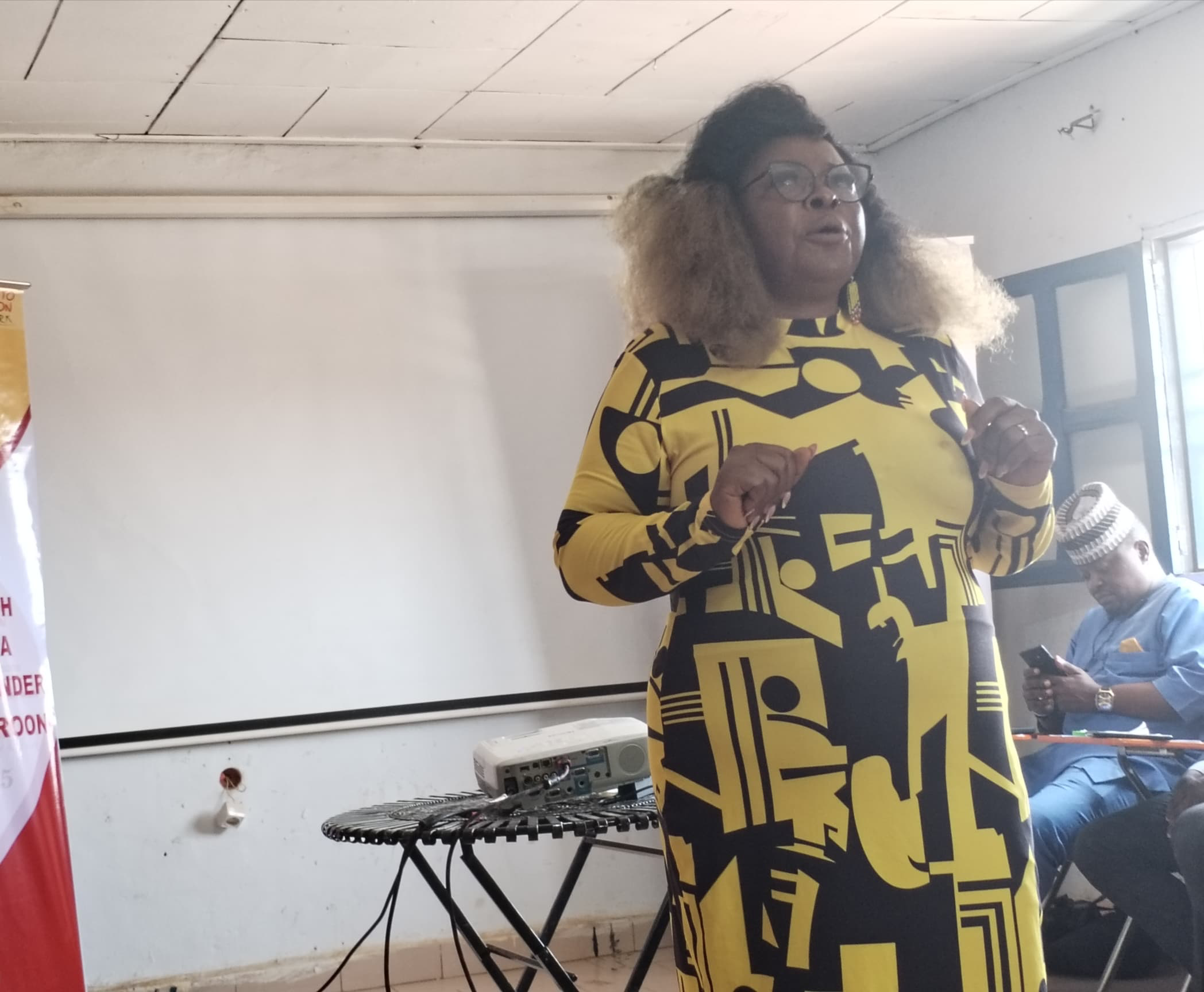
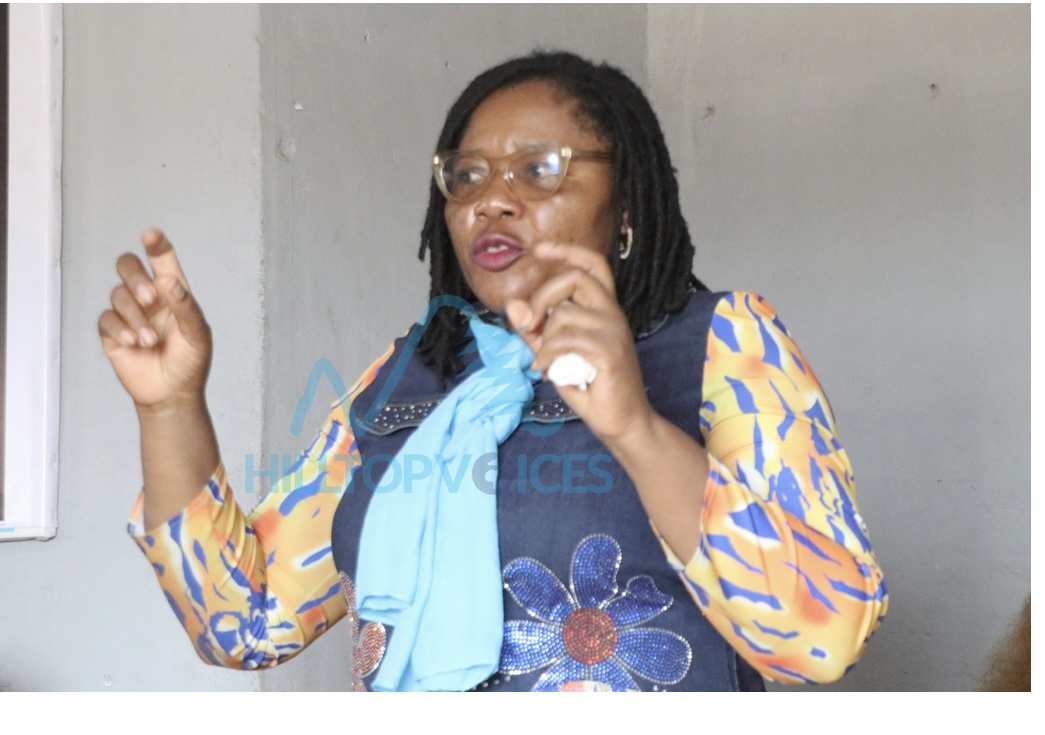 Nsono Josephine CEO Pearl Foundation/Facilitator
Opening discussions centred on one core objective: to awaken participants deeper commitment to examine faith institutions and communities, reflect on the magnitude of gender injustices happening around them, and identify practical pathways forward. Participants were encouraged to revisit holy writings such as the Bible and the Quran not only for spiritual guidance, but also as tools for accountability. The aim according to organizers, is to help faith actors actively use scriptural teachings to confront harmful practices and challenge injustices that persist in communities.
A key illustrative moment came through storytelling based on the account of Amnon and Tamar in 2 Samuel 13. Facilitators highlighted how the narrative exposes the misuse of power where Prince Amnon used his influence to target vulnerable victims and emphasized that religious authorities must never be used to silence survivors or shield perpetrators. The lesson drawn was clear: whenever power imbalances are present, victims may be targeted more easily, and community voices must respond with courage not concealment. Speakers urged faith actors to name sexual violence openly within religious settings rather than allowing it to hide behind silence, stigma, or fear of reputational damage. Participants underscored that faith leaders must not protect or cover up perpetrators at the expense of victims. Sexual violence, they stressed, is not only a moral wrong, it is a human rights violation that must be reported and addressed through appropriate channels.
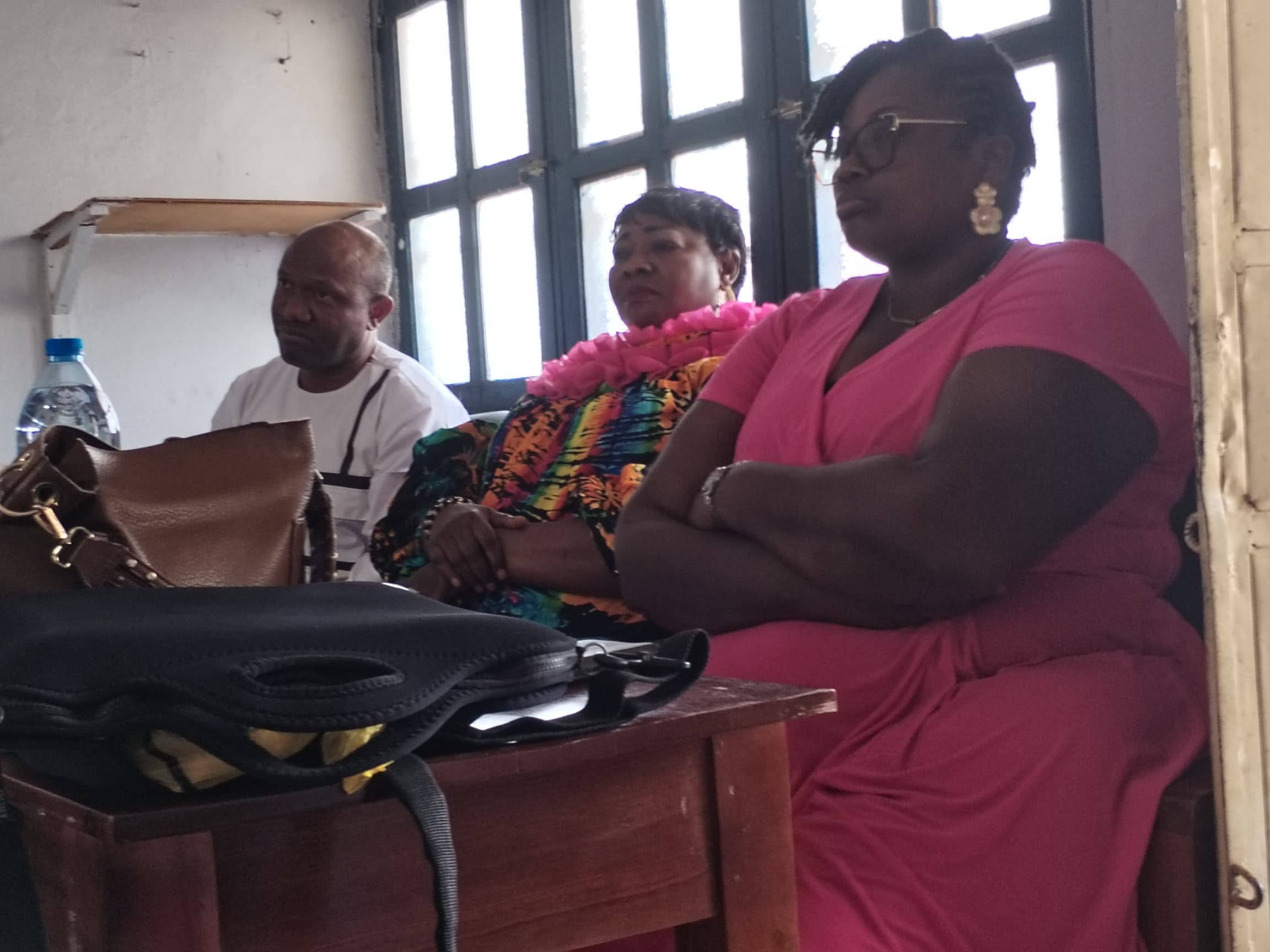
In many GBV cases, survivors are often made to feel ashamed, which deepens trauma and discourages them from seeking help. During the convening, faith actors committed to challenging this culture of shame and to promoting education and prevention stories rooted in compassion and truth. Organizers emphasized that survivors must be heard, respected, and supported as they navigate recovery at their own pace. The convening also focused on creating a lasting network of faith actors committed to promoting gender justice within their communities. The network’s purpose will equip religious leaders and community representatives to;
- use holy writings to challenge gender injustice,
- speak out against sexual violence,
- encourage reporting and safeguarding,
- and support survivor centered responses inside faith spaces.
The meeting highlighted the work of Pearl Foundation notably the training of grassroots women leaders on women’s rights using the Maputo Protocol, two awards in 2023 and 2025, reflecting growing recognition of its impact and commitment to rights based advocacy and community mobilization.
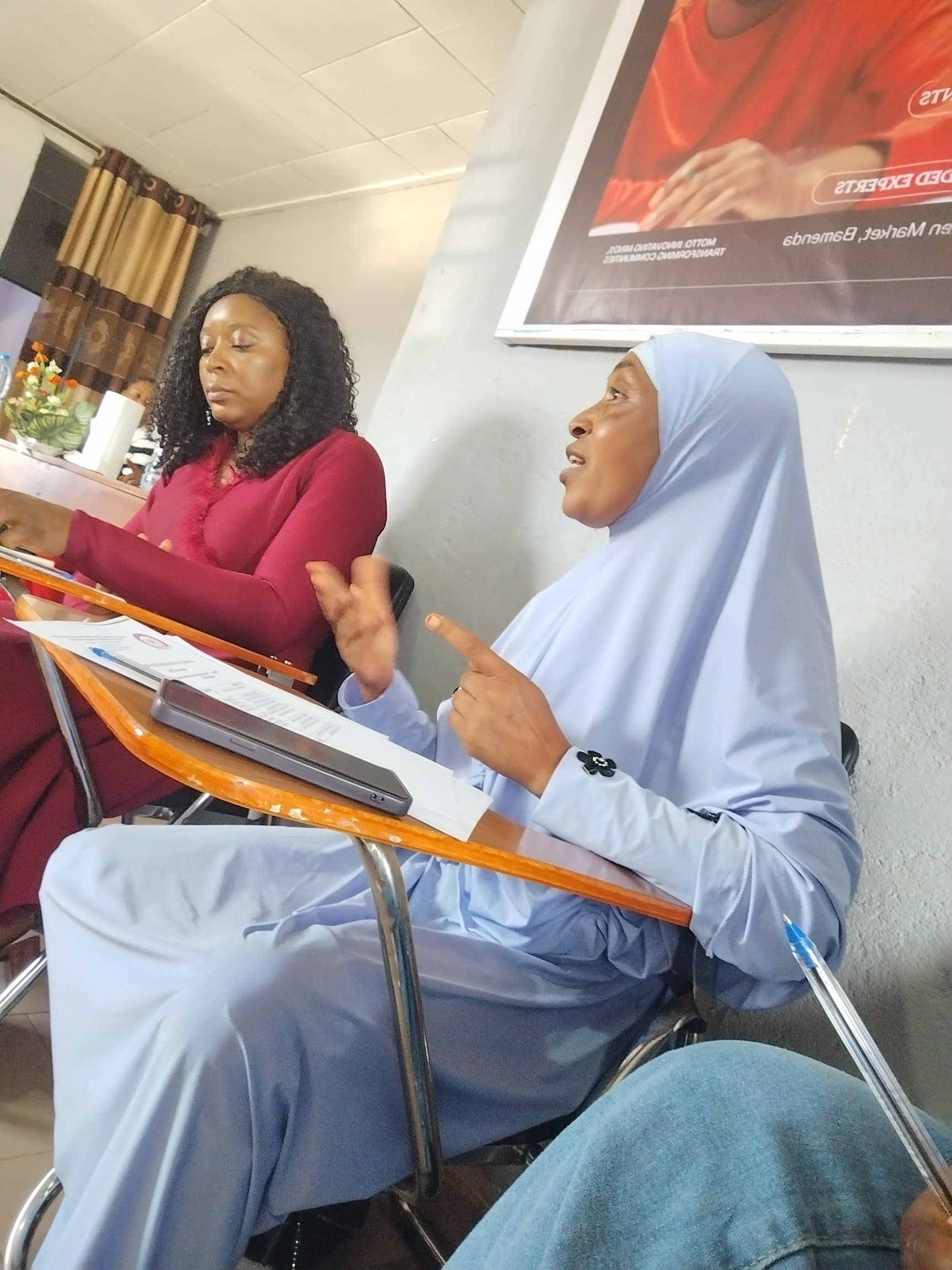
A Barrister at law and partner to the foundation explained how to ensure that victims do not become perpetrators. The session also brought attention to approaches that reduce cycles of harm.
The foundation emphasized its preference for restorative justice rather than rushing survivors into punitive processes alone. Organizers explained that restorative justice is intended to reduce the risk of destroying families unnecessarily; it seeks accountability while prioritizing the dignity and recovery of victims.
Legal expert, Lamago Francoise told participants that caregivers and faith actors must remain gentle with survivors, explaining that healing takes time and cannot be forced. She stressed that supportive engagement without pressure or judgment helps survivors move from denial toward openness and recovery.
In addition, psychological first aid coaching was presented as a key method to assist victims who may initially be in denial, enabling them to feel safe enough to speak and access help.
The convening concluded with renewed commitment from participants to take action in their respective places of worship and communities. Faith leaders, organizers say, have a unique responsibility: to defend human dignity, prevent injustice from being normalized, and ensure that survivors are never silenced under the pretext of protecting “family reputation.”
The meeting rounded off with a commitment by participants to strengthen the network of faith actors by organizing follow up activities focused on education, prevention, survivor support, and scriptural based advocacy against gender-based violence.
Published by Upfront237 Friday April 24th 2026.


Comments
Post a Comment